CHELSEA'S PORTFOLIO
Background
Toward the end of my master's degree, I took a course on hostage diplomacy. Throughout the winter and spring, we heard firsthand from wrongfully detained individuals, their families, and people working to bring them home.
At first, being the only design student in a class full of Global Studies and Public Relations majors felt a little out of place. The course was project-based, with students drafting legislation, organizing events, and finding ways to raise awareness. Everyone was doing meaningful work, and I wanted to contribute, but I wasn't sure where my background would fit in.
Eventually, I noticed something was missing. Despite all the strong work my classmates were doing, there wasn't a clear visual thread connecting their projects back to the course. I saw an opportunity to change that, so I developed a brand identity for the class and helped my classmates create visual consistency across their individual projects.
For the identity itself, I wanted to explore intentional, story-driven design. Every visual element serves a purpose, connecting back to a larger message about hostage diplomacy.
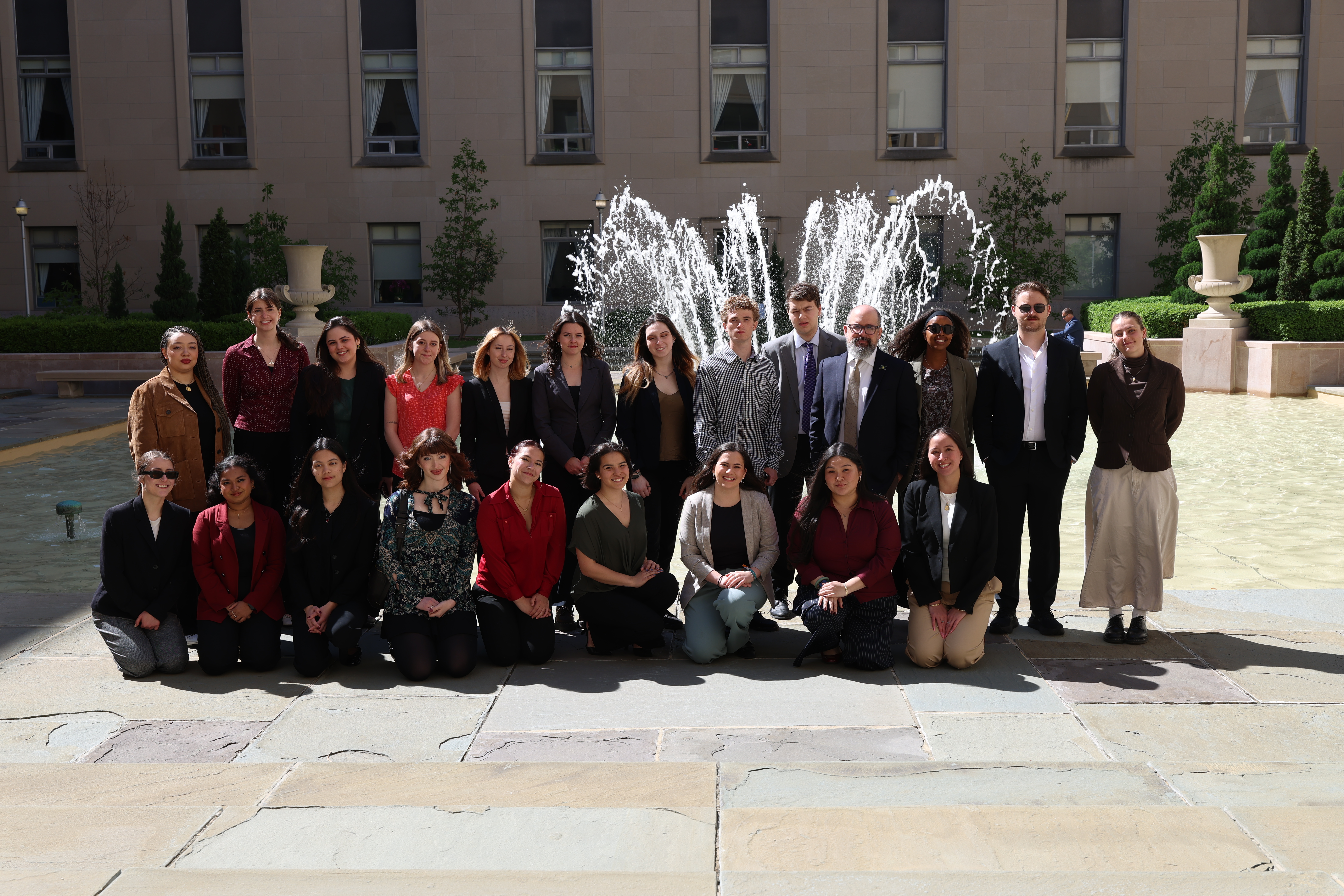
2026 Hostage Diplomacy Class in D.C.
Identity
The Logo
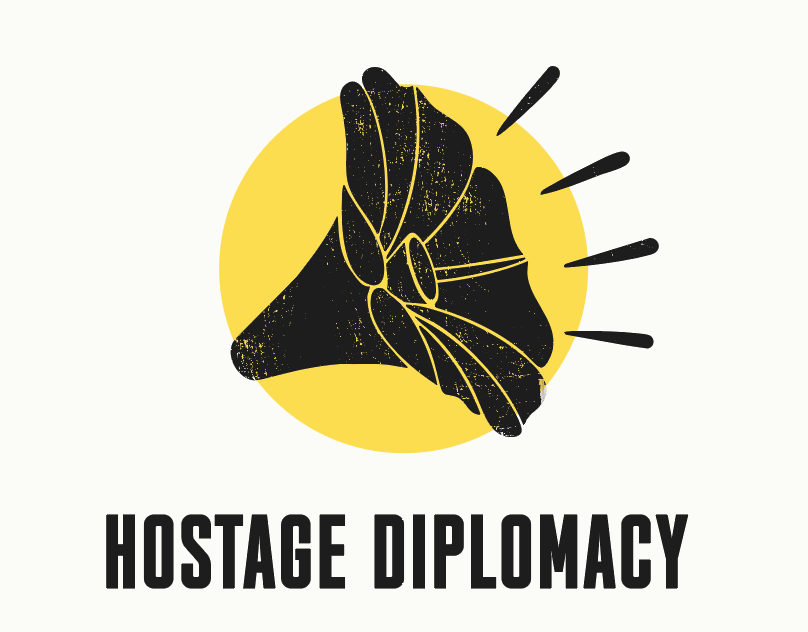
Logo designed for course on hostage diplomacy
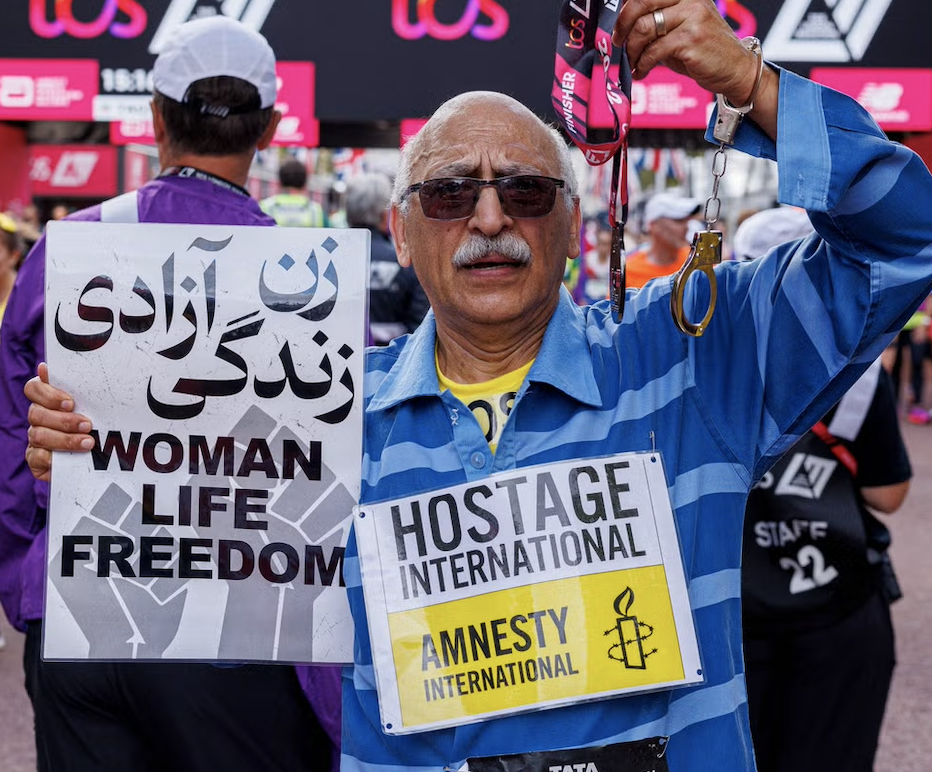
Anoosheh Ashoori, a formerly detained advocate whose story inspired this logo
The Flower
Why the Morning Glory
The main piece of this logo is a Morning Glory flower. This specific flower was inspired by Anoosheh Ashoori, who spent 1,677 days in Tehran's Evin Prison. During his detention, Ashoori found a way to cultivate life in a place intended to stifle it, eventually smuggling morning glory seeds and soil out of the prison.
By featuring this flower, the logo honors his resilience, as well as the resilience of the many others. The Morning Glory flower shows where the very soil from an oppressive environment became a foundation for hope.
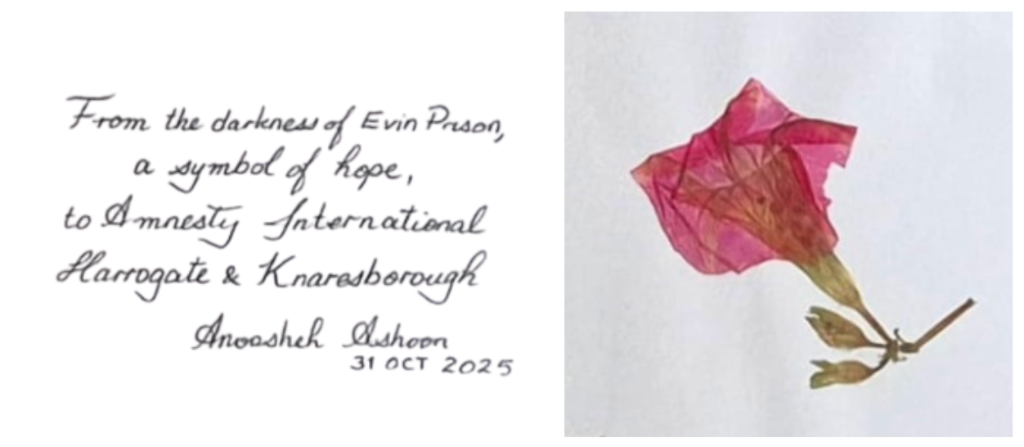
The Symbols
A Plant and a Megaphone
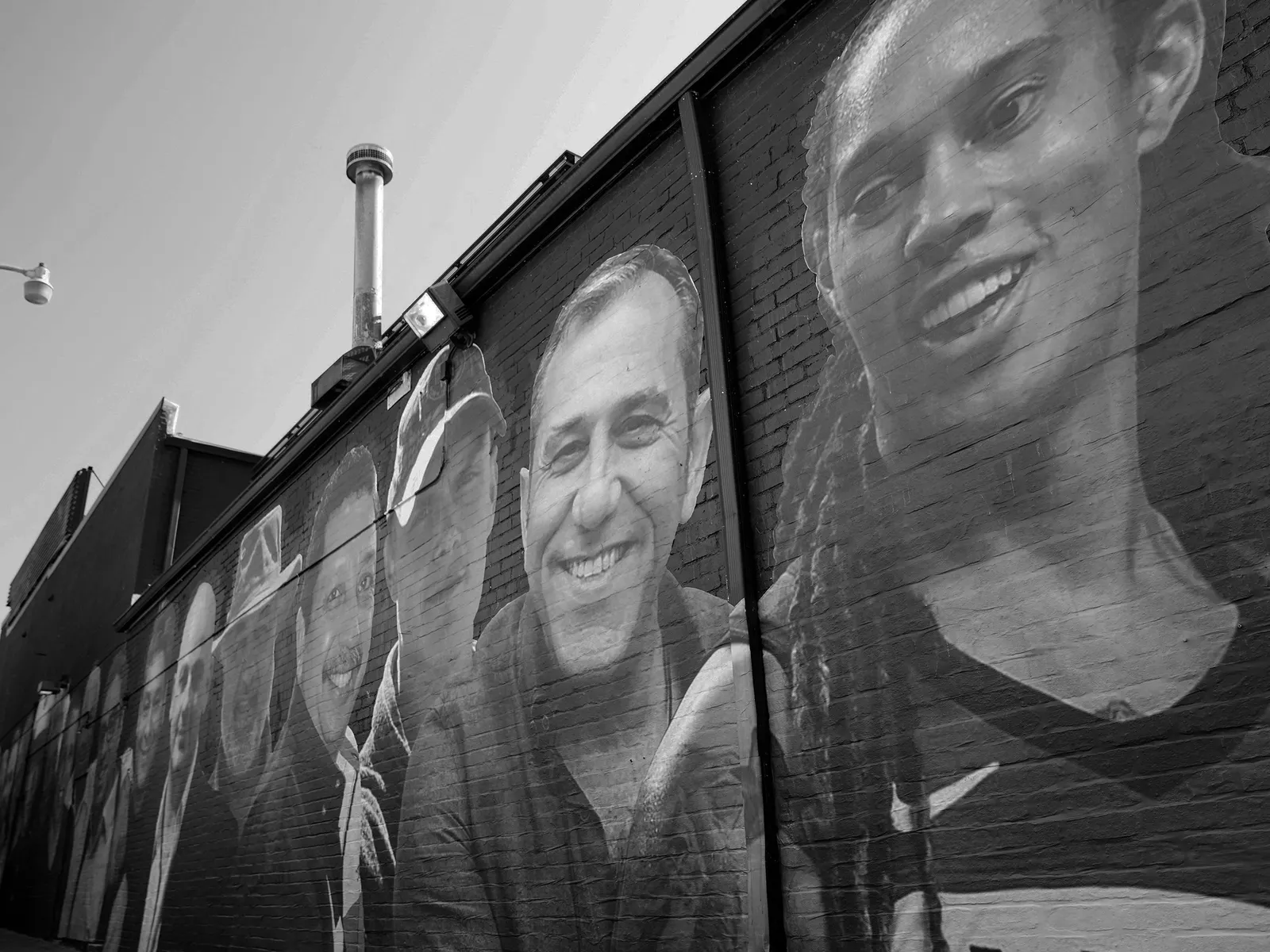
Wheatpaste mural by Isaac Campbell, as a method to amplify hostage issues
A plant is an active metaphor for a hostage's life. Its survival is not guaranteed; it requires the persistent intervention of those on the outside to keep it alive.
This is also where the megaphone element comes into play. As seen in high-profile cases like Brittney Griner's, public awareness can create the political pressure necessary for government action. The megaphone represents the "volume" required to ensure detainees are properly advocated for.
Visual Language
Colors
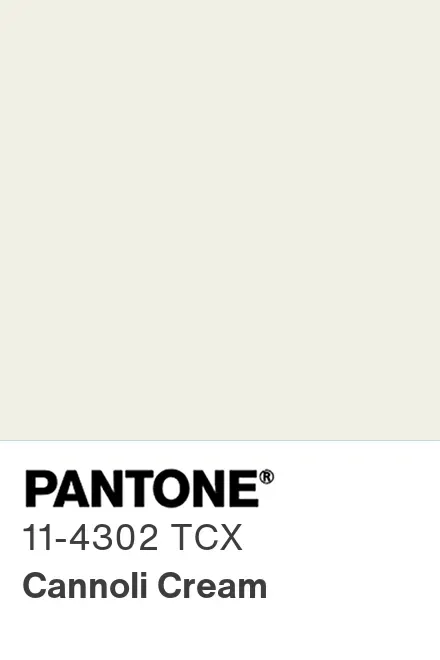
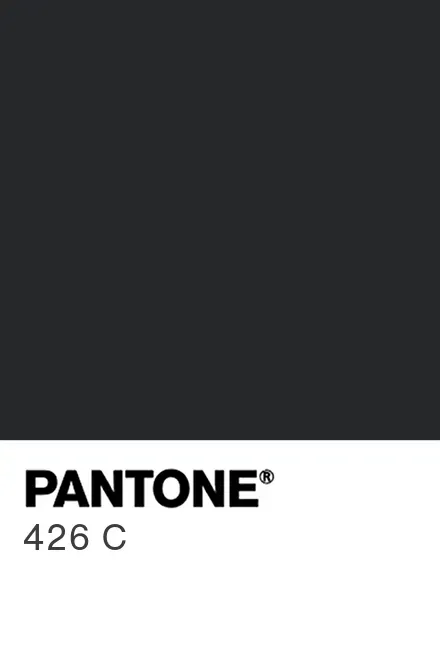
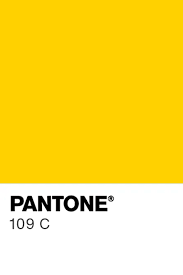
The black and yellow colors were inspired by David Ewald's flag and design work for the hostage project. Although the usage of these colors stemmed from Ewald's work, the color yellow is also a historical reference to the 1979 Iran Hostage Crisis.
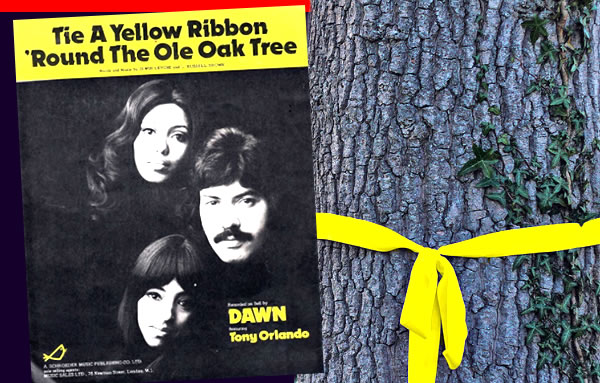
The yellow ribbon, popularized by Penne Laingen and inspired by the 1973 song "Tie a Yellow Ribbon Round the Ole Oak Tree," became a symbol of hope during the crisis. In the song, a man returning from imprisonment after three years asks his lover to tie a ribbon around a tree if she still wants him when he returns. This led to yellow ribbons becoming a symbol of hope during the Iran hostage crisis.